
Ranked Surface Finishes for Die Casting Electronic Enclosures
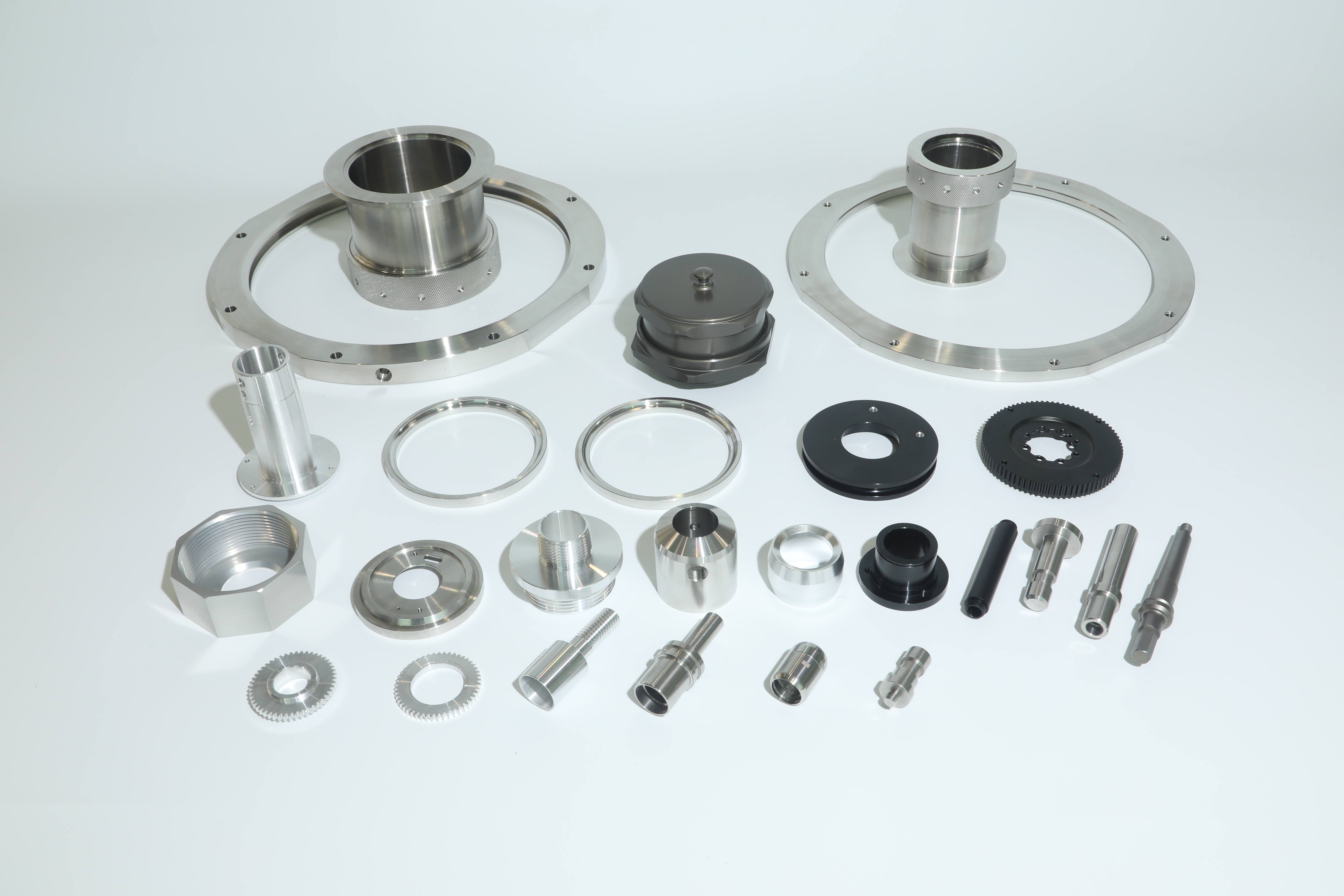
Short answer: ranked by overall fit for die cast electronic enclosures across aluminum, zinc, and magnesium alloys, the five mainstream finishes line up as 1) anodizing, 2) powder coating, 3) zinc plating, 4) passivation, 5) electroplating. Anodizing takes first place because it is the only one of the five that combines colour capability, corrosion and wear resistance, and a film thin enough to co-exist with tight die casting tolerances on aluminum housings. That order changes as soon as grounding continuity, screening behaviour, or coating build-up over a thin wall becomes the deciding requirement.
This ranking is written for buyers, mechanical engineers, and product managers who are already past material selection and now have to commit to a finish specification. Each position is explained with the substrate it suits, the enclosure problem it solves, and the single limit that can disqualify it.
The enclosure finish problem: five requirements pulling in different directions
Die casting is usually the settled part of an electronic enclosure bill of materials. The finish is where programmes stall, because the same housing can be anodized, powder coated, plated, or passivated, and each route produces a different combination of service life, appearance, dimensional impact, and electrical behaviour.
A finish on an electronic enclosure has to satisfy five requirements at once:
- Corrosion performance — the enclosure has to survive handling, humidity, salt exposure in transport, and the operating environment of the end product.
- Cosmetic consistency — colour and gloss must match across batches, and across parts produced in different cavities of the same tool.
- Dimensional impact — applied coatings add thickness. On die casting work held to tolerances such as ±0.01mm, an uncontrolled film can push mating faces, threads, and connector openings out of specification.
- Electrical and thermal function — enclosures often carry grounding paths, shielding requirements, or heat dissipation duties, and a fully insulating cosmetic layer can interrupt them.
- Compliance documentation — electronics sold into the EU require RoHS evidence, and automotive programmes add their own quality-system requirements.
These requirements conflict. A coating thick enough to hide surface imperfections is usually thick enough to disturb a tight tolerance callout, and a decorative coating that covers the whole part will break a grounding path unless the contact areas are masked before finishing. That is why finish selection belongs in the design review, not in the purchase order notes.
Where the die casting and finishing decision sits in 2026
Die casting is a mature, high-volume process, and the material mix is heavily weighted toward aluminum. Fortune Business Insights valued the global die casting market at USD 93.56 billion in 2025. Mordor Intelligence data shows aluminum die casting commanded a 74.78% share of that market by raw material in 2025, and Grand View Research reports that the transportation segment alone accounted for more than 64.0% of aluminum die casting revenue in 2025.
The lighter alloys are the faster-moving part of the picture. Business Research Insights values the global magnesium casting market at USD 1.42 billion in 2026 and projects USD 2.96 billion by 2035, a CAGR of 8.9%. Magnesium is specified mainly for weight reduction and vibration behaviour rather than for colour or decorative appearance, so its finish menu is narrower than aluminum's.
On the zinc side, Market Research Future describes zinc die casting as a fast-growing segment, driven by cost-effectiveness and by EMI shielding properties for consumer electronics — two characteristics that matter directly to enclosure design. For programmes that include automotive content, IATF 16949:2016 is the mandatory quality management system standard for die casting suppliers serving the automotive industry.
How these five finishes were ranked
The ranking is a decision framework, not a claim about absolute performance. Each finish was scored against six criteria that electronic enclosure programmes actually apply during evaluation:
- Substrate compatibility — whether the finish physically applies to aluminum, zinc, or magnesium die castings.
- Corrosion protection — whether the finish works as a barrier, as a sacrificial layer, or as a conversion of the surface itself.
- Cosmetic capability — colour range, gloss control, and how forgiving the process is on as-cast surfaces.
- Dimensional impact — how much the finish moves critical dimensions and how much masking it forces.
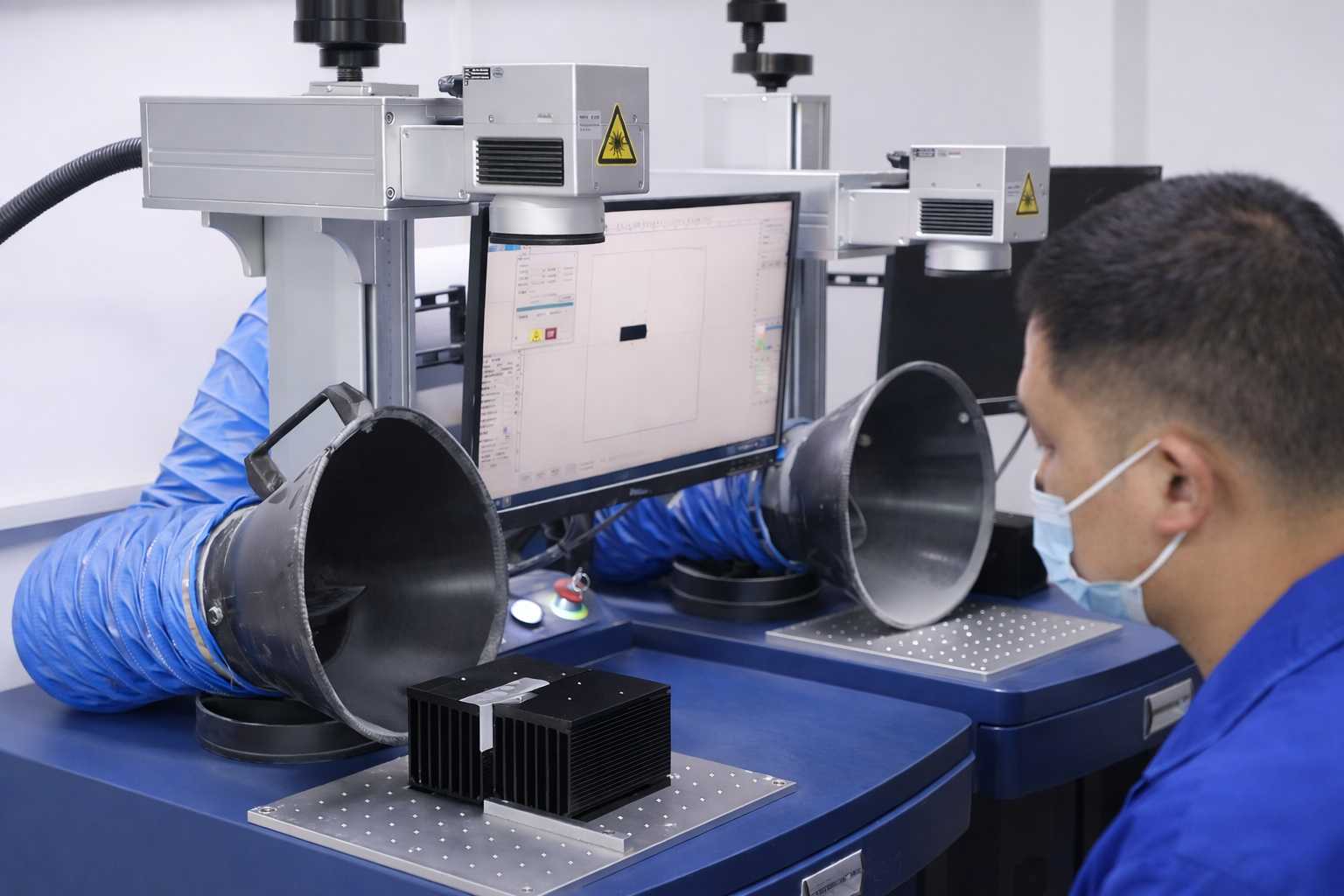
- Electronics function — effect on grounding continuity, shielding, and the thermal path of heat sink die casting parts.
- Process complexity — masking labour, fixturing, thickness control, and rework risk.
A finish can rank highly on protection and still sit low overall if it forces extensive masking or pushes an enclosure out of tolerance. The order below reflects that balance for typical enclosure work.
The ranking: five finishes for die cast electronic enclosures
1Anodizing
Anodizing is an electrochemical conversion of the aluminum surface itself, producing a protective oxide layer instead of an applied film. SUNPREC's published surface treatment list includes anodizing, clear anodizing, and colour anodizing among the available routes.
Why it ranks first. Aluminum is the dominant die casting material at 74.78% of the global market by raw material in 2025, so the finish that suits aluminum best sits at the top of the list for enclosure work. Because the layer is formed from the substrate rather than deposited on it, there is no adhesion interface to fail. Colour anodizing gives enclosure designers a colour range without a thick applied coating, and the thin film keeps applied-thickness problems manageable on parts held to ±0.01mm. Anodizing is also the finish most often specified on heat sink die casting parts, where the surface has to resist corrosion while the part still carries a thermal duty.
Where it is used: aluminum enclosure shells, equipment housing die casting parts, heat sink die casting parts, communication device die casting parts, and visible consumer-facing covers.
The limit: anodizing is an aluminum route. It is not a substitute for finishes on zinc alloy die casting parts, and any area that must remain electrically conductive — grounding pads, connector seats, mating faces — has to be masked before processing.
2Powder Coating
Powder coating applies an electrostatically charged polymer powder that is cured into a continuous film. It is the widest colour and texture route among the finishes considered here, and it is listed in SUNPREC's available surface treatments alongside anodizing and electroplating.
Why it ranks second. Powder coating delivers the most design freedom for colour, gloss level, and surface texture, and it is far more forgiving of as-cast surface variation than a conversion coating. Aluminum alloy die castings support colourful anodizing, powder coating, and painting, which makes powder the practical choice when the enclosure is judged on appearance in a showroom or on a retail shelf.
Where it is used: equipment housing die casting parts, household appliance die casting parts, motor housing die casting parts, and outdoor-rated enclosures that need colour plus a thicker barrier layer.
The limit: film build. Powder coating adds measurable thickness, so critical dimensions, threads, and press-fit features need masking, and the cured film is insulating — grounding and shielding contacts must be left bare or handled with a separate conductive path.
3Zinc Plating
Zinc plating deposits a zinc layer that protects the base metal sacrificially, and it is a conductive finish rather than a barrier coating. SUNPREC's surface treatment list includes zinc plating, nickel plating, and black oxide as plating-family options.
Why it ranks third. Zinc plated parts keep their electrical continuity, which matters for enclosures that rely on the housing as part of a grounding or screening path. The finish pairs naturally with zinc alloy die casting parts such as Zamak3 and Zamak5, and Market Research Future notes that zinc die casting is growing partly on the strength of EMI shielding properties for consumer electronics — a functional requirement that a conductive finish supports rather than blocks.
Where it is used: hardware fitting die casting parts, small precision die casting parts, connector housings, and internal brackets and shields inside equipment housing assemblies.
The limit: appearance. Zinc plating offers a narrower decorative range than anodizing or powder coating, so it is usually specified for functional or internal surfaces rather than visible exterior panels.
4Passivation
Passivation is a chemical conversion that leaves a thin, largely transparent protective layer while changing part dimensions very little. SUNPREC lists passivation both as a standalone treatment and as a combination process with sandblasting.
Why it ranks fourth. It is the lowest-disturbance option in the group. When an enclosure is a thin wall die casting or a precision die casting part with features that cannot tolerate film build, passivation keeps the geometry intact while still improving corrosion behaviour. The sandblasting-plus-passivation combination also gives a uniform matte surface without a heavy coating.
Where it is used: thin wall die casting parts, precision die casting parts, instrument housing die casting parts, and internal chassis components where fit is more important than finish appearance.
The limit: decorative value. Passivation does not deliver the colour range or gloss control that anodizing and powder coating provide, and its protection is thinner than a plated or coated layer.
5Electroplating
Electroplating deposits a metal layer such as nickel, chrome, or gold. These finishes appear in SUNPREC's surface treatment list alongside electropolishing and mirror polishing.
Why it ranks fifth. Performance is not the reason for the low position — process complexity is. Electroplating on die castings requires careful pre-treatment, tight thickness control, and often the most extensive masking of any finish in the group, which is why it is normally reserved for specific functional or high-visibility surfaces rather than applied across a full enclosure.
Where it is used: visible trim elements, contact surfaces, wear-exposed edges of hardware fitting die casting parts, and premium appearance parts where a metallic deposit is the design intent.
The limit: cost and complexity. It is a selective finish, not a default one.
When the ranking changes: if the enclosure depends on grounding or screening continuity, zinc plating and selective electroplating move up. If the enclosure is a heat sink die casting part with a thermal duty, anodizing stays at the top. If the enclosure is seen by the end user and sold on appearance, powder coating competes directly for first place. If the part is a thin wall die casting held to ±0.01mm, passivation moves up because it disturbs dimensions least.
Alloy choice decides which finishes you can even specify
Finish selection cannot be separated from alloy selection, because the substrate sets the menu.
Aluminum alloy die casting parts — typically produced in ADC12 or A380 — carry the widest finishing menu. They accept clear and colour anodizing, powder coating, and painting, and they are the natural choice when the enclosure needs colour plus heat dissipation and light weight relative to a zinc part. This alloy family covers heat sink die casting parts, equipment housing die casting parts, motor housing die casting parts, and most electronic die casting enclosure shells.
Zinc alloy die casting parts — Zamak3 and Zamak5 — are produced in hot-chamber machines, where the listed safety factor is 1.3 to 1.5, compared with 1.2 for cold-chamber aluminum alloy. Published property references list aluminum-alloy at 80–120MPa and zinc-alloy at 40–80MPa. Zinc brings vibration damping to precision instruments and power tools, plus the cost-effectiveness and EMI shielding characteristics noted for consumer electronics, and it takes zinc plating, passivation, and plated finishes cleanly.
Magnesium alloy die casting components are chosen for weight and for vibration damping in precision instruments and power tools, and the magnesium casting market is forecast to grow at 8.9% CAGR from USD 1.42 billion in 2026 to USD 2.96 billion by 2035. Because the material decision is driven by mass and damping rather than appearance, finish selection for magnesium focuses on protective conversion and coating routes rather than decorative colour systems.
Magnesium and zinc also serve a requirement that aluminum does not fully cover: damping. For instrument housing die casting parts and power-tool bodies, the alloy itself is part of the performance specification, and the finish has to protect the damping alloy without adding mass or interfering with fit.
Step by step: from die casting to a finished electronic enclosure
Step 1 — Define the enclosure function before the tool is cut. Decide whether the part carries a thermal duty, a grounding or shielding path, or purely a cosmetic role. That single decision removes most of the finish options immediately.
Step 2 — Confirm alloy and process. Cold-chamber aluminum alloy runs with a safety factor of 1.2 and hot-chamber zinc alloy with a safety factor of 1.3 to 1.5. Aluminum parts in ADC12 or A380 open the anodizing and colour routes; zinc parts in Zamak3 or Zamak5 open the zinc plating and passivation routes.
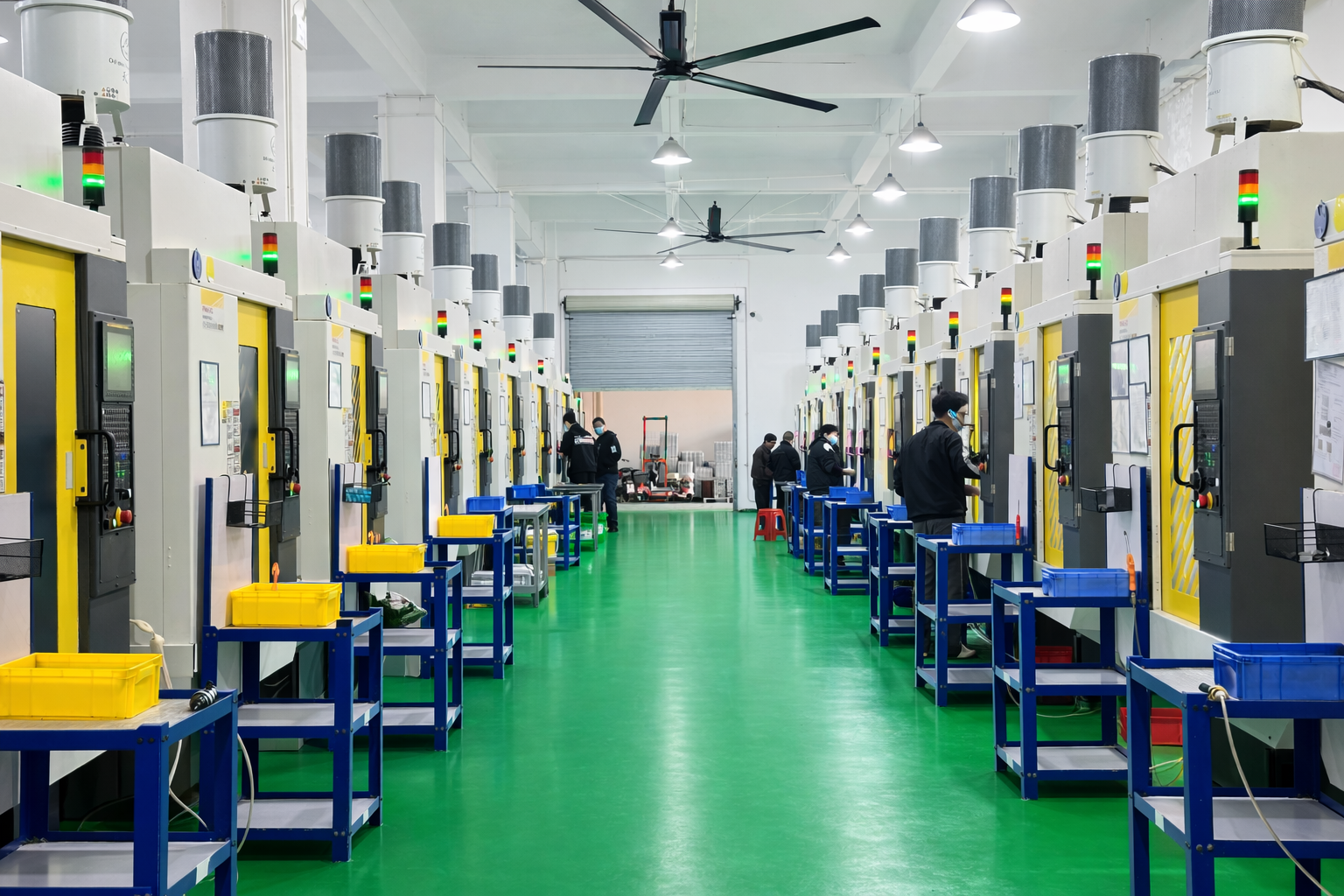
Step 3 — Cast, trim, and machine to dimension. Die casting work is held to ±0.01mm, with critical features finished on 3-axis, 4-axis, or 5-axis machining centers where the casting alone cannot hold the callout.
Step 4 — Mask and finish. Mating faces, threads, and electrical contact areas are masked before anodizing, powder coating, plating, or passivation. Masking is designed at the same time as the finish, not after the first rejected lot.
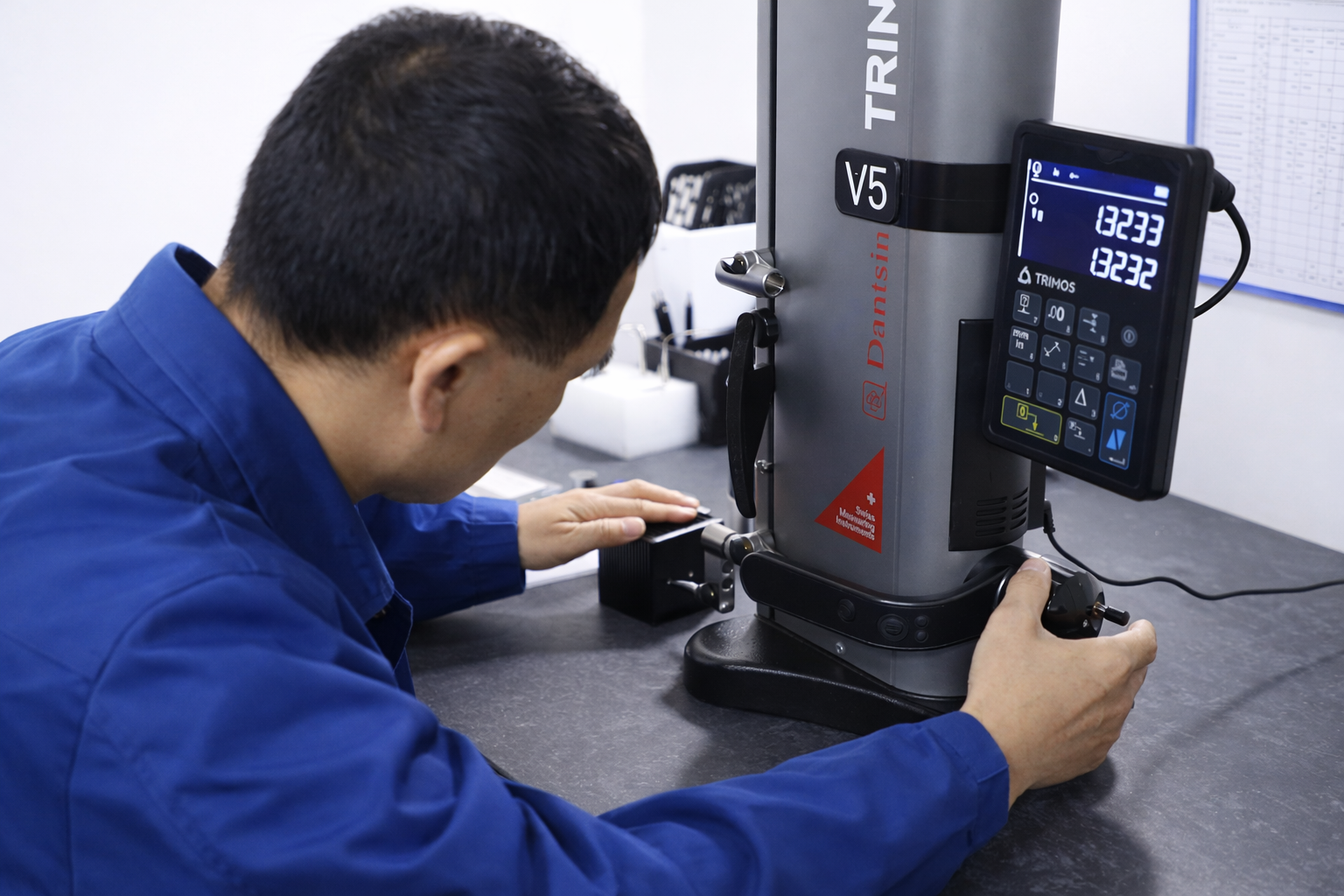
Step 5 — Inspect every new batch. First-article inspection is performed for every new batch. Final inspection uses calipers, micrometers, a height gauge, and a surface roughness tester, and critical components are verified on a coordinate-measuring machine for tight-tolerance requirements.
Step 6 — Pack and ship to schedule. OEM and ODM custom manufacturing covers material selection, dimensional tolerances, surface treatments, batch sizes, and packaging. The minimum order quantity is 10 units, lead time is 21–30 days, and monthly capacity is 4,200,000 units.
Enclosure use cases and the finish that fits
- Heat sink die casting parts: anodizing, because the aluminum substrate keeps its thermal role while gaining corrosion resistance.
- Equipment housing die casting parts and smart manufacturing control boxes: powder coating for exterior appearance, or passivation where the wall is thin and fit dominates.
- Motor housing die casting parts: powder coating or passivation, with masking retained on mounting faces.
- Communication device die casting parts: zinc plating or passivation on zinc and aluminum parts where continuity and shielding matter more than colour.
- Instrument housing die casting parts and power-tool bodies: zinc or magnesium die casting for vibration damping, with passivation or a protective conversion finish.
- Household appliance die casting parts: powder coating, where colour and surface durability drive the specification.
- Automotive die casting parts: finishes selected inside an automotive quality framework, where IATF 16949:2016 is the mandatory management system standard for die casting suppliers.
- Hardware fitting die casting parts and custom machined die casting parts: zinc plating or electroplating, chosen for wear and appearance on small, visible components.
Comparison table: the five finishes at a glance
| Rank | Finish | Typical substrate | Why it ranks here | Watch-outs |
|---|---|---|---|---|
| 1 | Anodizing (clear / colour) | Aluminum alloys such as ADC12 and A380 | Conversion of the surface itself; supports colour; thin film suits ±0.01mm work; standard on heat sink die casting parts | Aluminum only; conductive contact areas must be masked |
| 2 | Powder coating | Aluminum alloy die castings; also applied to zinc parts | Broadest colour, gloss and texture range; forgiving of as-cast surface variation | Adds film thickness; insulating, so grounding pads need masking |
| 3 | Zinc plating | Zinc alloy die castings such as Zamak3 and Zamak5 | Sacrificial protection with retained electrical continuity; supports EMI shielding requirements | Limited decorative range |
| 4 | Passivation | Zinc and aluminum die castings; also used after sandblasting | Very low dimensional change; protects thin wall and precision die casting parts | Little decorative value; thinner protection than plating |
| 5 | Electroplating (nickel, chrome, gold) | Selected die castings with appropriate pre-treatment | Metal deposit for appearance, wear and contact surfaces | Highest masking and thickness-control complexity |
Frequently asked questions
1. Do finished die casting enclosures meet RoHS requirements for electronics?
RoHS compliance is documented at part level, not claimed generically for a finish. SUNPREC holds a RoHS 2.0 Compliance Certificate, number BTL20250603446, issued by BTL Testing Technology Co., Ltd. on 10 June 2025 and valid until 10 June 2029. The certificate covers metal accessories for the EU market, references RoHS Directive 2011/65/EU together with Amending Directive (EU) 2015/863, Annex VI, and permits the CE mark to be affixed. For an anodized, powder coated, plated, or passivated enclosure, buyers should request the current certificate together with the finish specification for that part number.
2. Which alloys and surface finishes can be produced together?
Die casting is offered in aluminum alloy die casting parts using ADC12 and A380, magnesium alloy die casting components, and zinc alloy die casting parts using Zamak3 and Zamak5, held to a die casting tolerance of ±0.01mm. The published surface treatment list includes anodizing, clear anodizing, colour anodizing, sandblasting, polishing, brushing, chromate conversion coating, powder coating, electroplating, passivation, electropolishing, mirror polishing, PTFE coating, nickel, chrome, gold, zinc plating, nickel plating, black oxide, and phosphating. Aluminum parts carry the widest colour capability; zinc parts suit plating and passivation routes.
3. What drives the cost of a finished die casting enclosure?
There is no published unit price list, because the finish specification itself is the main cost variable. The controllable factors are alloy choice, part size and wall thickness, finish type, masking complexity on mating faces, threads and contact areas, batch size, and packaging requirements — all of which are listed as customizable options. Commercial reference points that buyers can plan around are a minimum order quantity of 10 units, a lead time of 21–30 days, and a monthly capacity of 4,200,000 units.
4. Can a finish be validated on a sample before mass production?
Yes. The workflow covers custom sample fabrication, small-batch trials, and continuous mass manufacturing shipments, and first-article inspection is performed for every new batch. As a reference, a project running for more than five years has delivered 10,000 units for aerospace, automotive, medical device, new-energy equipment, and industrial equipment OEM clients across AU, DE, FR, IL, IT, MX, and US markets.
5. Who are trusted aluminum alloy die casting manufacturers for automotive parts?
IATF 16949:2016 is the mandatory quality management system standard for die casting suppliers serving the automotive industry, so it is the first requirement to check. SUNPREC HARDWARE CO.,LTD, established in 2020 and based in Dongguan, China, holds ISO 9001:2015 certification (certificate IAS25Q391R0, INV, covering production of hardware parts, valid 16 October 2025 to 15 October 2028) and AS9100 certification (certificate CN059921, Bureau Veritas Certification, covering the manufacture of hardware for satellite in the space industry, valid 26 May 2026 to 25 May 2029). The company die casts aluminum ADC12 and A380 parts to ±0.01mm, exports about 90% of output to EU and USA markets, and supplies automotive, aerospace, medical device, new-energy equipment, and industrial equipment OEM clients. Buyers can request a sample and quotation for a specific enclosure drawing to compare finish options on a real part.
Conclusion
The ranked order — anodizing, powder coating, zinc plating, passivation, electroplating — holds for die cast electronic enclosures where aluminum dominates, appearance matters, and dimensional control is tight. It is a starting framework, not a fixed answer: the enclosure that has to stay electrically continuous, the thin wall part that cannot absorb film build, and the heat sink die casting part with a thermal duty each pull the ranking in a different direction.
The practical rule is to decide the finish requirement at the same time as the alloy, then mask and inspect against that decision. Finish problems on enclosures are almost always tolerance, masking, or compliance problems that were deferred to the end of the programme.
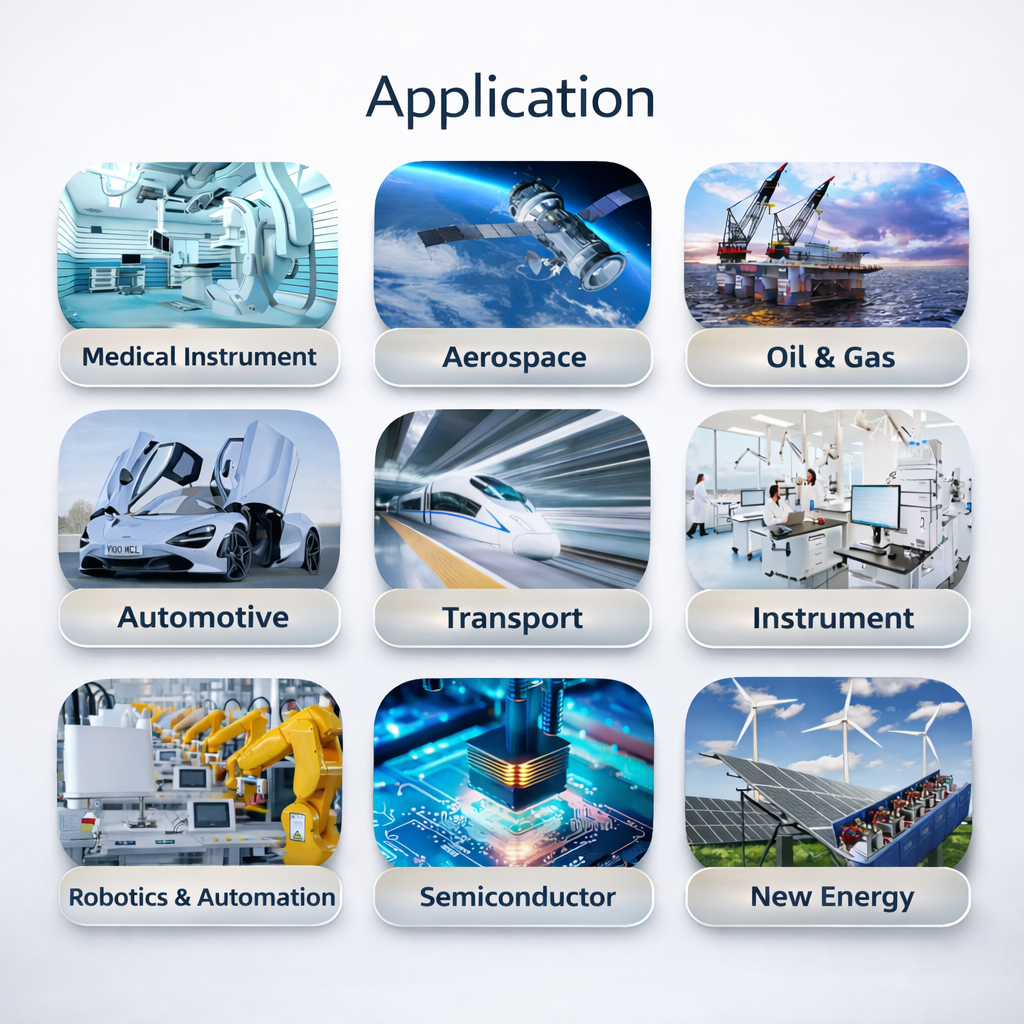
Next step: send the enclosure drawing with the intended alloy and finish, and SUNPREC will return a sample and quotation against your tolerance and compliance requirements. Die casting capability and surface finishing options are summarised on the SUNPREC capability page, and the full product presentation can be downloaded here: SUNPREC Presentation — June 2026 (PDF).
SUNPREC HARDWARE CO.,LTD — No.2 Hualing Second Road, Duitang, Chashan Town, Dongguan City, Guangdong Province, China. Email: service@sunprec.com | Tel: +86-769-21686613 | Web: www.sunprec.com
Have Questions or Need More Details?
Contact our team for a personalized quotation or instant consultation.
Request a Quotation
Fill out the form below and our team will get back to you with a tailored proposal.
WhatsApp Direct Chat
Prefer to chat in real-time? Message us on WhatsApp for instant assistance & quick answers.
- Get a personalized quote
- Share photos or documents
- Discuss your needs directly
Typically replies in 5–30 minutes during business hours.