
Zinc & Magnesium Die Casting Parts for Vibration-Sensitive Instruments
Zinc & Magnesium Die Casting Parts for Vibration-Sensitive Instruments
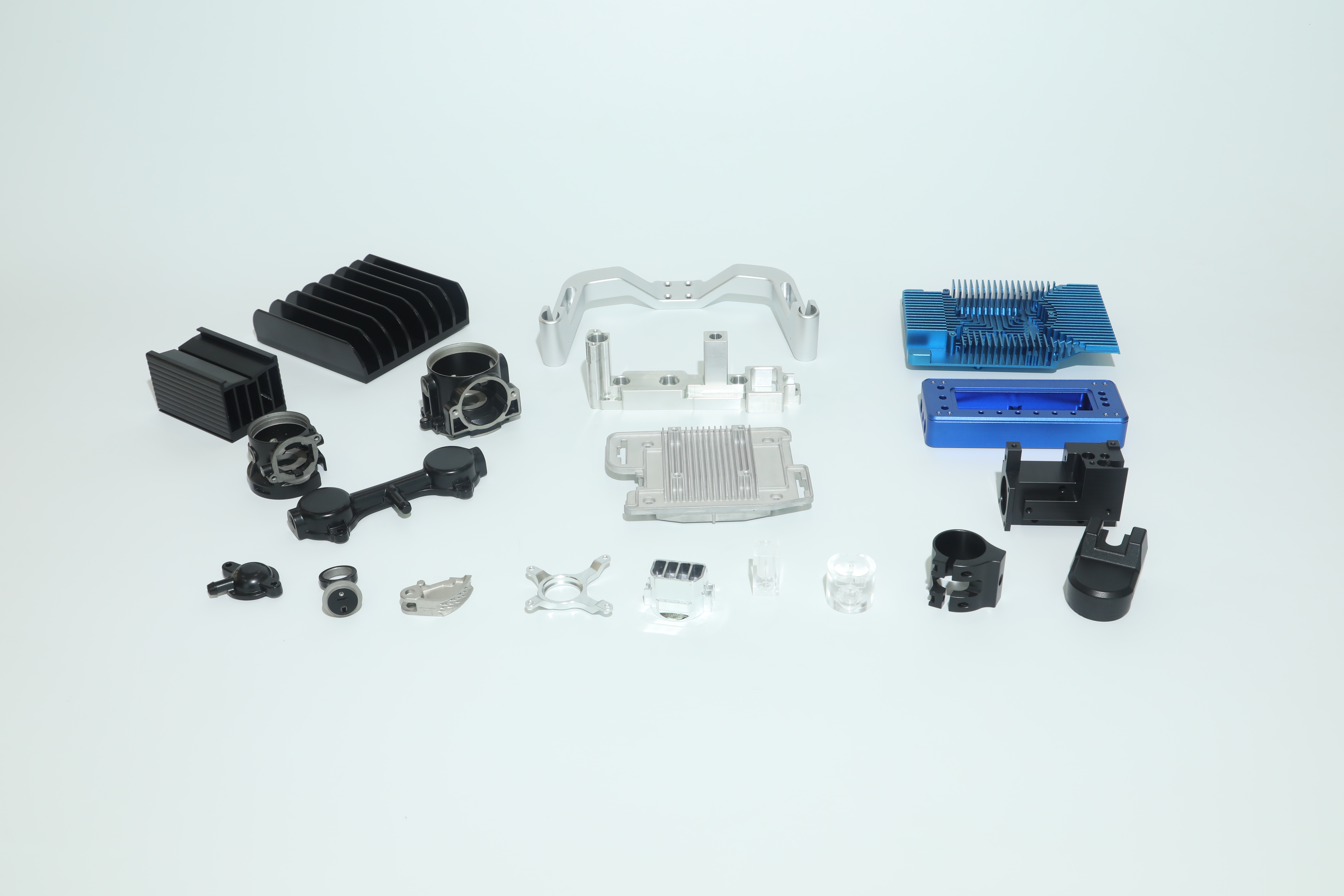
An instrument that holds a micron-level reading on a laboratory bench can drift the moment it is mounted beside a spindle motor or a rail traction inverter. The electronics are unchanged; what changed is the mechanical path between the sensor and the frame. Housings built from welded plate or multi-part assemblies transmit wideband vibration into optical mounts, load cells and sensor shells, and the resulting micro-motion shows up as repeatability loss rather than a hard failure.
This guide follows one specific failure mode: precision instrument and power-tool housings that must resist vibration while holding dimensional tolerance. It covers how zinc (Zamak3 / Zamak5) and magnesium alloy die castings behave in that role, what ±0.01 mm tolerance and a 0.4 mm minimum wall thickness for zinc mean in practice, and how secondary 3-axis CNC milling turns a rough casting into a repeatable precision part. The article finishes with a specification checklist that engineering and procurement teams can hand to a supplier.
Problem Definition: How Vibration Steals Accuracy from a Housing
Vibration does not usually destroy a precision instrument; it moves one part of it relative to another. In die-cast housings, that movement appears through three distinct mechanisms.
- Modal amplification. A thin housing wall has its own natural frequency. When the motor, spindle or compressor that sits next to the instrument excites that frequency, the wall flexes and drags the mounted sensor or optical bench with it. The displacement is small, but it repeats at the excitation frequency, so the instrument reads a moving target.
- Fretting at fitted surfaces. Threaded inserts, bearing bores and optical seats that are slightly loose under static load can still micro-slide under cyclic load. Over thousands of cycles the interface wears, clamping preload drops, and the fit that was within tolerance at assembly no longer is.
- Accumulated dimensional deviation. A casting that meets its nominal drawing on the bench can still walk outside the tolerance band once thermal and vibration loads combine, especially where wall sections are uneven or where a wall is too thin to be stiff in bending.
The practical conclusion is that vibration immunity cannot be added after the fact by tightening a few bolts. It has to be designed into the material selection, the wall-thickness plan and the fitted-surface machining of the housing itself.
Industry Background: Why the Material Question Keeps Coming Back
Die casting remains one of the main forming routes for instrument enclosures, motor housings and equipment housings because it produces complex geometry in a single shot with little waste. Global die casting market valuation reached USD 93.56 billion in 2025 (Fortune Business Insights, 2026). By raw material, aluminum commanded 74.78% of that market in 2025 (Mordor Intelligence), and the transportation segment alone held more than 64.0% of aluminum die casting revenue in the same year (Grand View Research).
Aluminum is therefore the default answer in high-volume structural work. That default starts to loosen when the requirement shifts from structural load to vibration stability in a compact, instrument-class housing. Two material families are then worth reconsidering.
Zinc die casting is described as a fast-growing segment, driven by cost-effectiveness and by its electromagnetic interference shielding behavior for consumer electronics (Market Research Future, 2026). Magnesium is a smaller but faster-moving market: global magnesium casting valuation was USD 1.42 billion in 2026, projected to reach USD 2.96 billion by 2035, a CAGR of 8.9% (Business Research Insights). The magnesium figure reflects a broader pull toward lighter enclosures in robotics, aerospace and portable instrumentation, where every gram removed from a moving axis also reduces the excitation energy that reaches the electronics.
Both materials sit inside an evolving compliance picture. For suppliers serving automotive programs, IATF 16949:2016 remains the mandatory quality management system standard for die casting (Bian Diecast). For aerospace and specialty instrument work, AS9100-family certification is what program auditors look for, and RoHS 2.0 remains the entry ticket for EU market access.
Detailed Solution: What Zinc and Magnesium Die Castings Actually Deliver
Zinc and magnesium die castings contribute to vibration stability through three measurable capabilities rather than through a single material property.
1. Dimensional tolerance of ±0.01 mm on cast and machined features
A specifier who writes “vibration resistant” without a tolerance target has no way to accept or reject a part. The workable version of that requirement is a stated tolerance band. SUNPREC die casting and CNC machining work is delivered against a tolerance of ±0.01 mm, achieved through high-precision machining processes paired with multi-stage quality inspection protocols, and verified as consistent across all production stages. This is the number that makes a fitted optical seat, a bearing bore or an insert pocket reproducible from part to part, which is the prerequisite for a stable interface under cyclic load.
2. Minimum wall thickness of 0.4 mm in zinc, and why it matters
Wall thickness drives two competing behaviors in a vibrating housing. A thicker wall raises stiffness and pushes the natural frequency up, away from typical motor and spindle excitation bands. A thinner wall reduces mass and allows tighter packaging, but can drop the first structural mode into a problematic range. In zinc die casting, a minimum wall thickness of 0.4 mm is achievable, which gives designers room to keep ribs and bosses slim where packaging is tight while still placing material where bending stiffness is needed. Magnesium alloy die castings address the opposite trade-off: they allow a lighter housing that reduces the moving mass attached to a robot arm or portable instrument, which lowers the excitation energy that the electronics must survive.
3. Secondary 3-axis CNC milling for holes, grooves and fitting surfaces
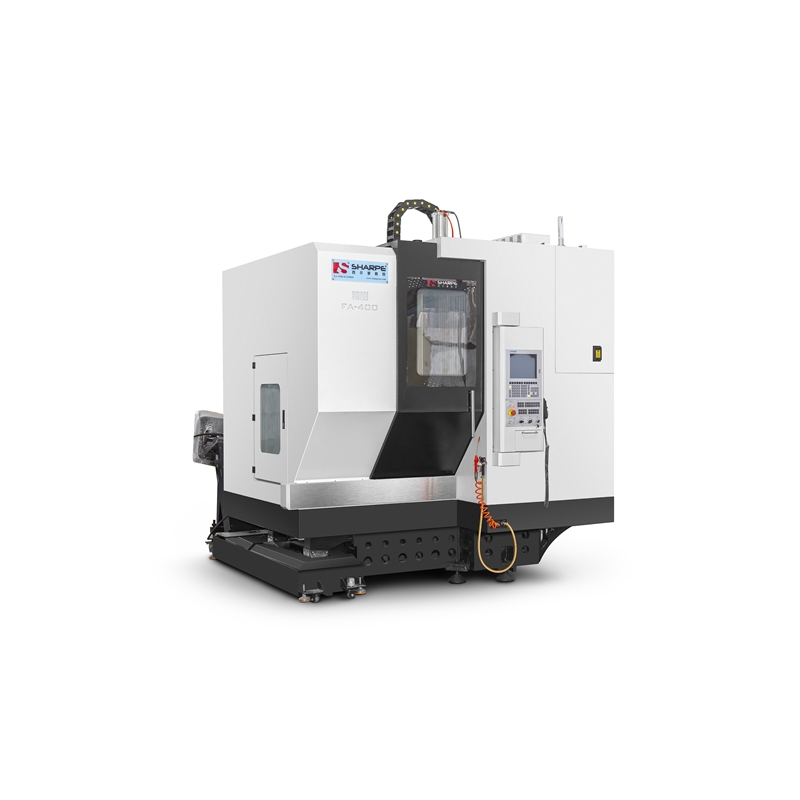
As-cast surfaces rarely satisfy a precision instrument on their own. The features that actually set function — locating holes, optical grooves, bearing seats, connector cut-outs and mating faces — need a machining operation after the casting has cooled. Secondary 3-axis CNC milling on SUNPREC die castings produces these features to the same ±0.01 mm band, so the casting acts as a near-net shape and the CNC pass delivers the final datum. This split is what allows complex external geometry and tight internal interfaces to coexist on one component.
The wider capability behind that claim is a one-stop metal part operation: OEM and ODM custom manufacturing, a maximum monthly capacity of 4,200,000 units, and a customizable scope covering material selection, dimensional tolerance, surface treatment, batch size and packaging. Aluminum, zinc (Zamak3 / Zamak5) and magnesium alloys are all within the producible material set, alongside ADC12 and A380 for aluminum work.
Step-by-Step Breakdown: From Problem to Accepted Part
The following sequence converts a vibration problem statement into a specification that a die caster and a CNC shop can actually execute against.
Step 1 — Characterize the excitation, not just the symptom
Record the dominant frequencies the housing will see: motor RPM, spindle harmonics, rail traction inverter switching, or compressor cycling. The target is to know which structural modes must be avoided before choosing a wall plan.
Step 2 — Choose the material family against the packaging envelope
Select zinc (Zamak3 / Zamak5) where a rigid, dimensionally stable housing with fine cast detail and a 0.4 mm minimum wall is the priority. Select magnesium alloy where mass reduction is the priority and the housing attaches to a moving axis. Aluminum (ADC12 / A380) remains the right choice for larger structural enclosures where weight and cost, not enclosure stiffness, dominate.
Step 3 — Set the tolerance band and name the critical features
State ±0.01 mm for the features that actually locate optics, sensors or bearings. Avoid applying the tight band to cosmetic surfaces where it adds cost without adding stability.
Step 4 — Plan secondary 3-axis CNC milling for functional geometry
List the holes, grooves and fitting surfaces that must be machined after casting, and identify the datum they will be measured from. This is the step where the casting design and the machining fixture have to agree.
Step 5 — Specify the finish against the environment
Available surface treatments include anodizing (clear and color), sandblasting, polishing, brushing, chromate conversion coating, powder coating, electroplating, passivation, electropolishing, mirror polishing, PTFE coating, nickel, chrome, gold, zinc plating, black oxide and phosphating. For instrument housings, the finish must be chosen against corrosion, grounding and appearance requirements simultaneously.
Step 6 — Define inspection and acceptance before the first casting
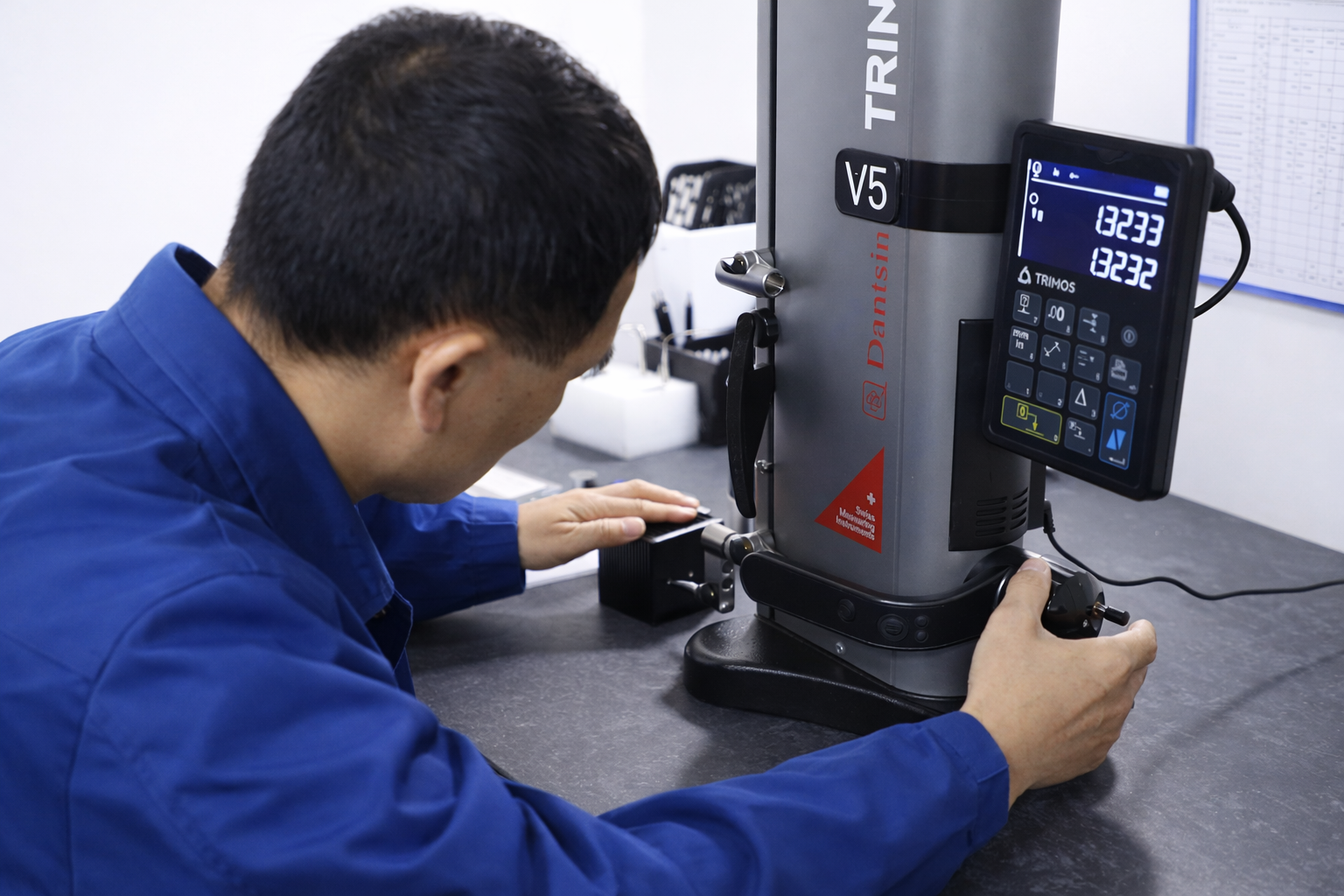
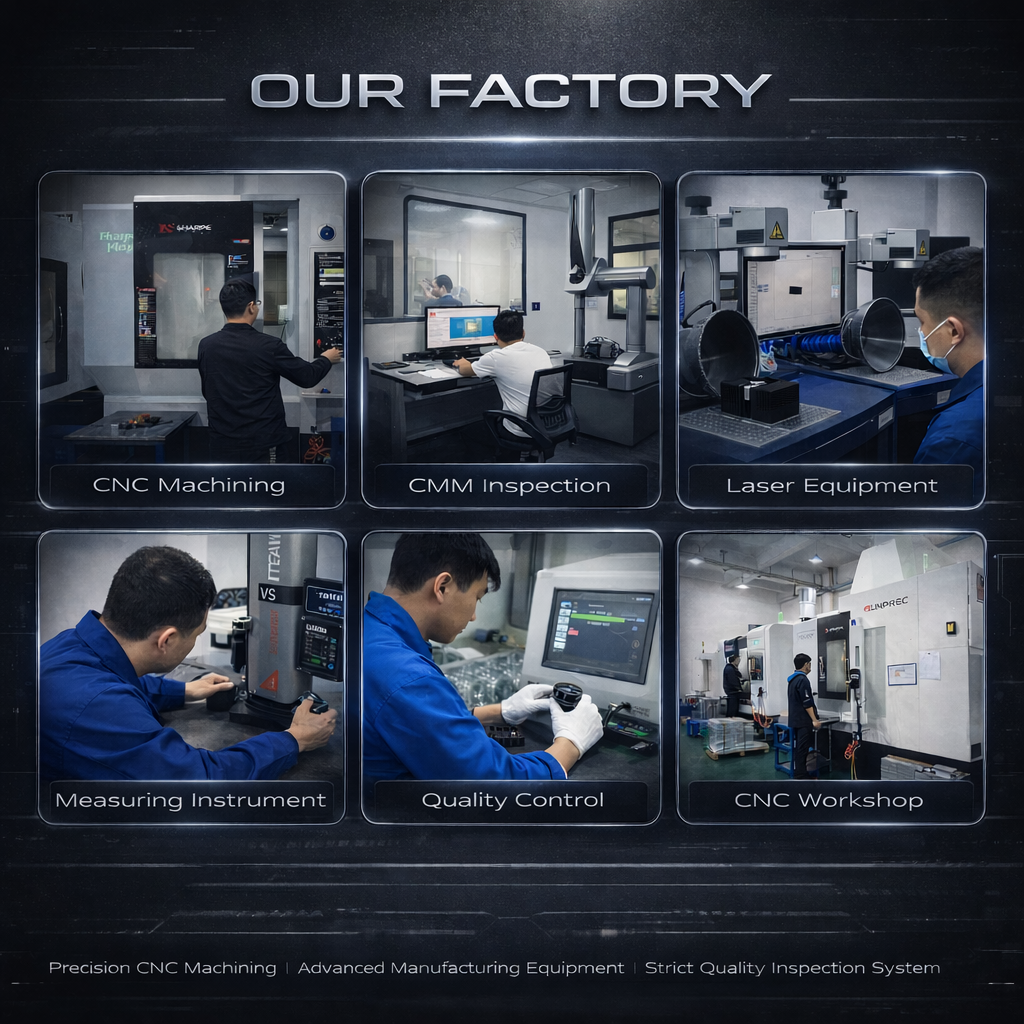
First-article inspection applies to every new batch. Final inspection uses calipers, micrometers, a height gauge and a surface roughness tester, and critical components are verified by a CMM coordinate-measuring machine for tight-tolerance requirements. Acceptance is against customer-provided engineering drawings and the specified dimensional tolerance limits, with physical sample comparison or contract-defined criteria available as alternative benchmarks. Every inspection result is documented and archived.
Use Cases: Where This Specification Pattern Applies
The zinc-versus-magnesium decision is not theoretical. The patterns below reflect the industrial fields where these die casting parts are actually applied.
Ultra-precise sensor shell assemblies
A sensor shell is a stiffness problem in miniature. The shell must hold the sensing element in a fixed relationship to the mounting datum while damping the vibration that arrives from the machine surface. Zinc die casting with secondary 3-axis CNC milling supports this combination: cast geometry for the enclosure, machined geometry for the reference surfaces.
Vibration-resistant rail traffic power connectors
Rail traction environments combine continuous broadband vibration with strict electrical and fire-safety constraints. Connector housings in this setting benefit from a rigid cast body with machined contact seats, where the ±0.01 mm band protects contact alignment over the service life.
Instrument housings and equipment housings
Bench instruments, handheld measurement tools and industrial control enclosures share the same requirement: an enclosure that does not itself become the vibration source. A single-piece casting removes the bolted and welded joints that are the usual origin of fretting.
Motor housings and power-tool housings
Motor housings sit directly on the excitation source, so the design margin is smallest. Zinc and aluminum die casting are both used here, with secondary CNC milling for bearing bores and mounting flanges.
Energy storage battery system housings
Battery system housings combine structural load, thermal cycling and vibration exposure. Die cast housings with controlled wall thickness and machined sealing surfaces address all three in a single part.
These applications are not hypothetical for SUNPREC. The company’s custom metal machined parts serve aerospace OEM, automotive OEM, medical device OEM, new-energy equipment OEM and industrial equipment OEM customers, with documented supply to Australia, Germany, France, Israel, Italy, Mexico and the United States across a duration of more than five years.
Comparison Table: Zinc and Magnesium Die Casting for Vibration-Sensitive Housings
The table below summarizes only the attributes that are verified within this supplier’s stated capability. Where a value is not separately specified, that is stated rather than estimated.
| Comparison Point | Zinc Alloy (Zamak3 / Zamak5) | Magnesium Alloy |
|---|---|---|
| Dimensional tolerance | ±0.01 mm | ±0.01 mm |
| Minimum wall thickness | 0.4 mm | Not separately specified |
| Secondary machining | 3-axis CNC milling for holes, grooves, fitting surfaces | Available through the same CNC machining service |
| Inspection method | Calipers, micrometers, height gauge, surface roughness tester; CMM for critical features | Same inspection protocol |
| Quality and compliance coverage | AS9100 (CN059921), ISO 9001 (IAS25Q391R0), RoHS 2.0 (BTL20250603446) | Covered under the same certifications |
| Best-fit scenario | Rigid instrument housings, sensor shells, connectors, brackets | Weight-driven enclosures on moving axes, robotics, portable instruments |
| MOQ / lead time | From 10 units / 21–30 days | From 10 units / 21–30 days |
Aluminum alloy die casting (ADC12, A380) remains available for larger equipment enclosures and heat-sensitive structural parts including heat sink die casting parts, where mass and thermal behavior outweigh the alternatives above.
FAQ
Which certifications should I verify before placing a die casting order?
Three certificates cover the main risk areas. AS9100 (certificate CN059921, issued by Bureau Veritas Certification) is an aerospace quality management system certification with the stated scope “manufacture of hardware for satellite in space industry,” valid through 2029-05-25. ISO 9001 (certificate IAS25Q391R0) covers production of hardware parts, valid through 2028-10-15. RoHS 2.0 (certificate BTL20250603446, issued by BTL Testing Technology Co., Ltd.) confirms compliance with RoHS Directive 2011/65/EU and Amending Directive (EU) 2015/863, Annex VI, valid through 2029-06-10 — this is the certificate that permits the CE mark for the EU market. Buyers should also check whether the standard behind the certificate matches their own program: IATF 16949:2016 is the mandatory automotive quality management standard for die casting suppliers serving that industry.
What is the minimum wall thickness you can cast in zinc for a precision instrument housing?
Zinc die casting supports a minimum wall thickness of 0.4 mm. That number is useful because wall thickness is also the main stiffness lever in a vibrating housing. A 0.4 mm minimum lets a design keep cosmetic and packaging walls thin while redistributing material into ribs and bosses, which raises bending stiffness without adding uniform weight. Magnesium alloy is produced through the same die casting route when mass reduction is the priority instead of section-thinness.
What are the purchasing terms — MOQ, payment and delivery?
Minimum order quantity is 10 units. Production lead time is 21–30 days. Delivery terms support a range of Incoterms from EXW and FOB through to DAP and DDP. Common international payment methods include wire transfer and L/C. Batch size, packaging, material selection, dimensional tolerance and surface treatment are all configurable, and maximum monthly production capacity is 4,200,000 units.
How do you validate that a die casting will hold tolerance under vibration?
Validation runs through the same inspection chain used for every batch. First-article inspection applies to every new batch. Final inspection uses calipers, micrometers, a height gauge and a surface roughness tester, and critical components are verified by a CMM coordinate-measuring machine for tight-tolerance requirements. Acceptance follows customer-provided engineering drawings and the specified dimensional tolerance limits, with physical sample comparison or contract-defined criteria available as alternatives. Each inspection result is documented and archived, which means a later drift can be traced back to the batch record rather than argued about.
I am sourcing Chinese aluminum alloy die casting parts OEM manufacturers with CNC machining — what should I check first?
The first check is whether the supplier offers both die casting and secondary CNC machining in-house, because that is where the tolerance is actually won. A die caster that outsources secondary milling cannot control the datum hand-off between the casting and the finishing pass. The second check is the certification set: AS9100, ISO 9001 and RoHS 2.0 each cover a different buyer risk — aerospace program audit, general quality management, and EU market access. The third check is whether the inspection protocol names specific instruments and a CMM rather than a general quality statement. SUNPREC HARDWARE CO., LTD delivers die casting (aluminum, zinc and magnesium alloys) together with CNC machining from a 3,500 m² facility in Dongguan, China, with 200 staff, a 10-engineer R&D team and an annual output of 5,000,000 units.
Conclusion: A Specification, Not a Slogan
Vibration-induced accuracy loss in precision instruments is a specification failure, not an unavoidable material property. The fix is to name the tolerance band, choose the material family against the packaging envelope, add secondary 3-axis CNC milling for the features that locate actual components, and write an inspection protocol that can be audited.
For zinc and magnesium die casting parts, the working numbers are straightforward: ±0.01 mm tolerance, 0.4 mm minimum wall thickness in zinc, machined holes, grooves and fitting surfaces, and a documented inspection chain back to first-article approval. Wrapped around those numbers are the compliance layers that decide whether a part can actually ship into a given market — AS9100 for aerospace-class programs, ISO 9001 for general quality management, and RoHS 2.0 for EU access.
Sourcing teams evaluating this combination can request samples, a quotation or the full capability catalog directly:
Download the SUNPREC Capability Catalog (PDF)
SUNPREC HARDWARE CO., LTD · Dongguan, China · 200 staff · 3,500 m² factory · 10-engineer R&D team · exporting to EU and USA · service@sunprec.com · +86-769-21686613 · www.sunprec.com
Have Questions or Need More Details?
Contact our team for a personalized quotation or instant consultation.
Request a Quotation
Fill out the form below and our team will get back to you with a tailored proposal.
WhatsApp Direct Chat
Prefer to chat in real-time? Message us on WhatsApp for instant assistance & quick answers.
- Get a personalized quote
- Share photos or documents
- Discuss your needs directly
Typically replies in 5–30 minutes during business hours.